
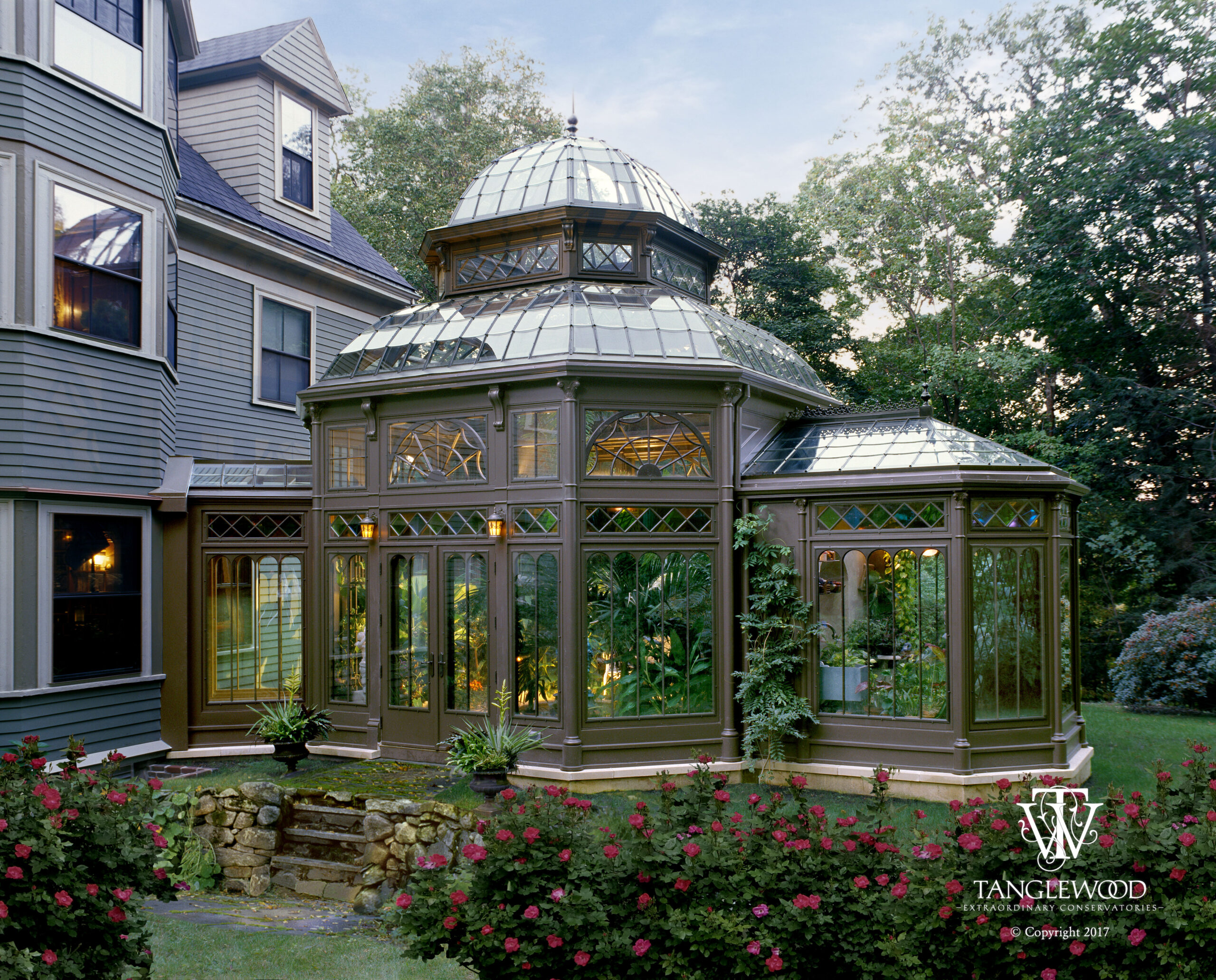
Long before biophilic design had a name, conservatories were bringing people closer to nature.
Throughout history, people have sought refuge in the natural world, drawn by an innate desire to connect with nature and the sense of peace and restoration it provides. Today, in a world that moves faster than ever, that emotional pull has become increasingly meaningful as we seek spaces that allow us to slow down, recharge, and reconnect with our surroundings.
This desire is at the heart of biophilic design, an approach to architecture that thoughtfully brings the natural world into the spaces we inhabit to support our overall sense of well-being. Historic conservatories show how deliberately that connection can be created. The height of a walkway can change how we see a tree. The placement of a doorway can change where an afternoon walk takes us. Even the smallest architectural decisions can influence how we experience nature.
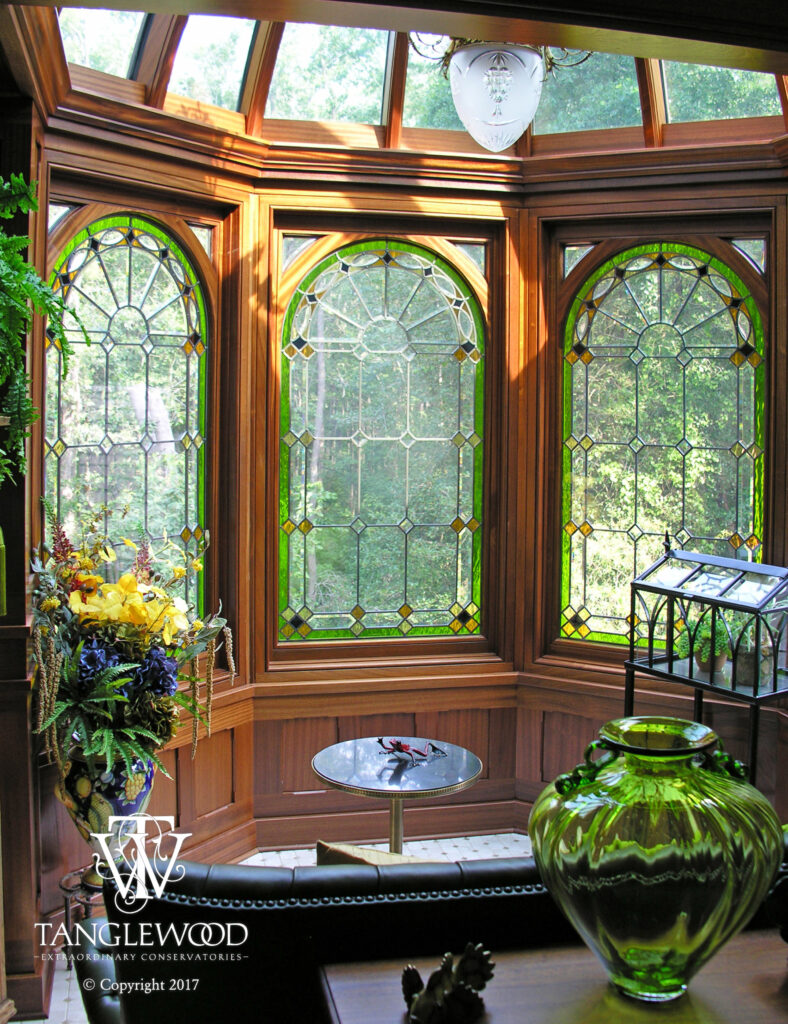
On a cold morning, you might notice frost along the hedge while waiting for the coffee to brew. Carry that cup into a conservatory, and there’s time to watch the frost recede as sunlight reaches the first branches. A detail you might have glimpsed in passing becomes part of your morning.
A Different Way to See a Tree: Lessons from Historic Conservatories
During the Industrial Revolution, rapidly growing cities became crowded with factories, people, and pollution. Seeking refuge from the noise and grit of urban life, wealthy families increasingly turned to private conservatories as places to reconnect with nature and find a sense of peace
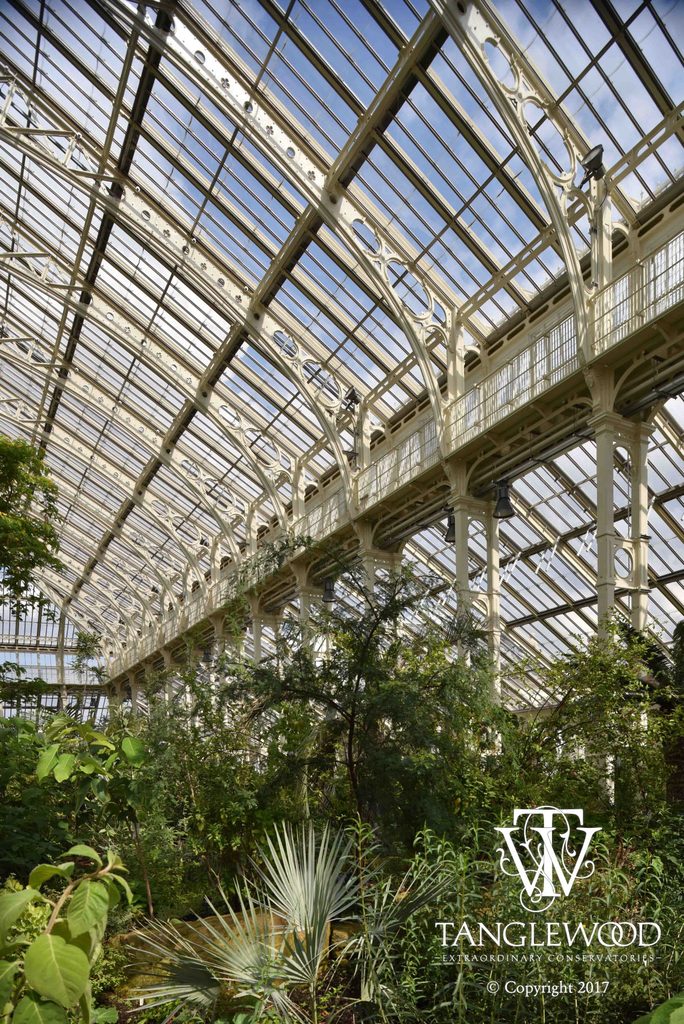
Beautiful examples of this growing fascination with conservatories can be found in historic glasshouses such as the Palm House at the Royal Botanic Gardens, Kew. When it opened in 1848, its soaring iron and glass roof gave tropical plants room to grow, while an upper walkway offered visitors a different perspective. From the ground, you look up through the fronds. From the walkway, you see how leaves overlap and climbers thread their way through the canopy.
The same attention to detail can shape a restorative space at home. Set a window low enough to frame a garden bed from a favorite chair, and the first shoots of spring come into view. Place glass overhead near a mature tree, and its canopy becomes a living ceiling, changing with the seasons.
It is in these quieter experiences, when we find ourselves noticing the small wonders of the natural world, that the true beauty of living beneath glass reveals itself.
Bringing Nature Into Everyday Life
For many homeowners, the garden is already a cherished part of their lives. It is a place to unwind, enjoy the changing seasons, and find a sense of calm. Yet weather, temperature, and the demands of everyday routines can limit how often we experience it.
A thoughtfully designed conservatory or orangery changes that relationship, allowing the beauty and restorative qualities of nature to become part of the home itself. Imagine starting your morning surrounded by the quiet beauty of the garden, or gathering with family around the table as the afternoon sunlight slowly fades. What was once a space enjoyed only in passing becomes part of the daily rhythm of life, inviting us to linger a little longer and appreciate the world beyond our walls.
For some, a conservatory becomes the heart of the home, a place for conversation, shared meals, and time spent with loved ones. For others, it offers something more personal: a quiet retreat to read, tend to cherished plants, or simply enjoy a few moments of solitude.
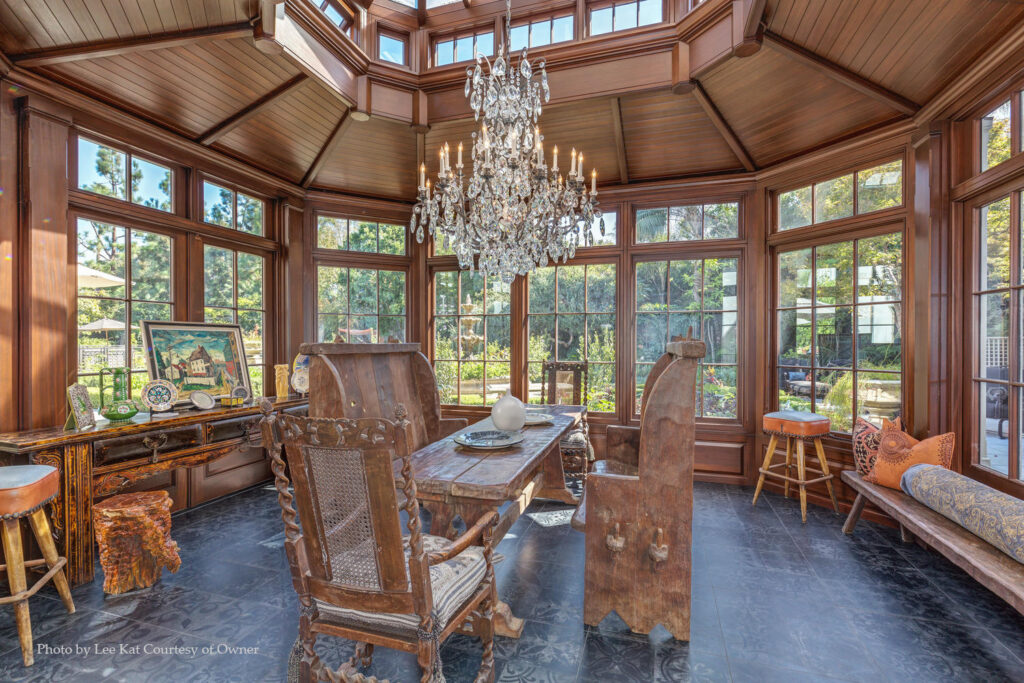
These experiences may seem simple, but their impact can be meaningful. By bringing natural light, greenery, and the changing seasons into our everyday surroundings, conservatories create opportunities to disconnect from life’s demands and reconnect with the things that bring us joy.
In this way, the value of a conservatory extends beyond its architectural beauty. It becomes a place that nurtures our connection to nature while enriching the way we live within our homes.
A Place to Recharge: Biophilic Design Beyond the Home
Our desire to find refuge in nature has not diminished with time. In fact, as our lives become increasingly connected to technology and the demands of modern work, the need for spaces that encourage us to pause and recharge has become even more meaningful.
A beautiful contemporary expression of this idea can be found in Seattle’s Amazon Spheres. Much like the great glasshouses of the nineteenth century, these remarkable glass domes bring people into an environment surrounded by lush greenery, natural light, and the textures of a living landscape.
Designed as an alternative to conventional office spaces, the Spheres offer employees opportunities to step away from their desks and experience the restorative atmosphere of nature, even in the heart of a busy city.
Although their purpose is quite different from that of a private conservatory, the underlying desire remains the same. Whether at home or in the workplace, there is something deeply human about seeking spaces that bring us closer to nature and offer a sense of refuge from the world around us.

Designing A Conservatory To Fit Your Lifestyle
The beauty of a conservatory is that no two families will experience it in quite the same way.
For one, it may become a gathering place where generations come together, surrounded by gardens throughout the seasons. For another, it may be a quiet sanctuary where tending citrus trees or watching the first blossoms of spring becomes a cherished daily ritual.
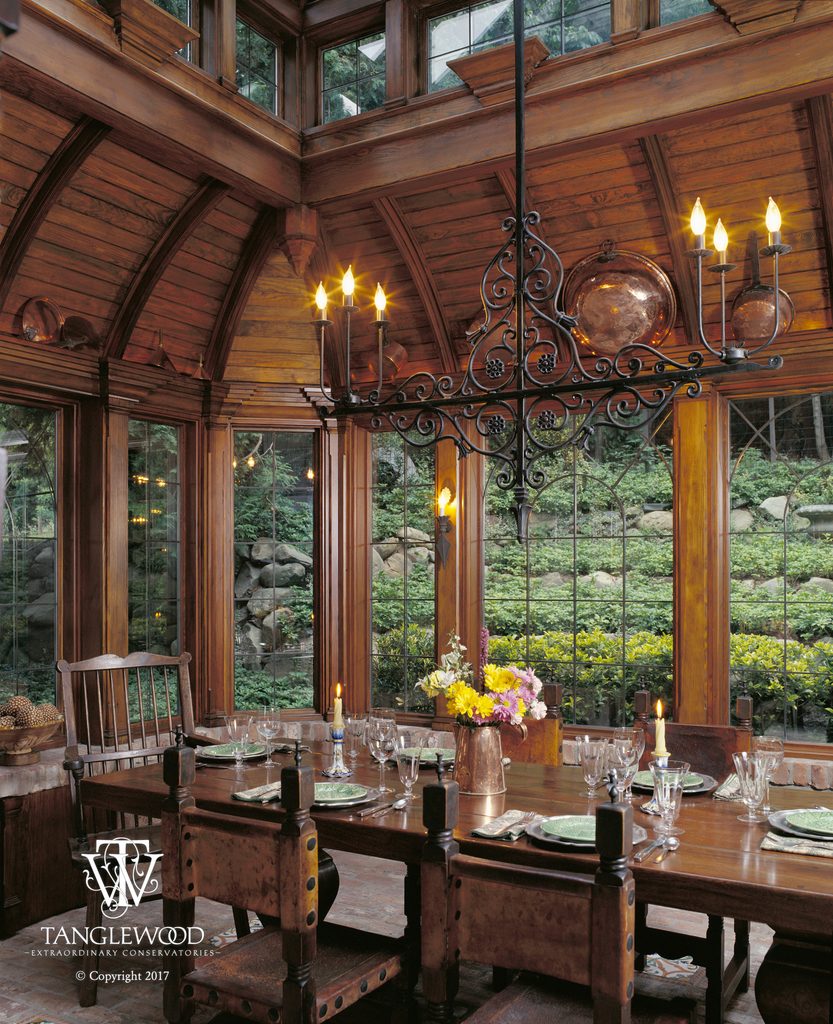
What makes these spaces meaningful is not simply the beauty of their architecture, but the way they become part of the lives of those who inhabit them.
At Tanglewood Conservatories, we believe this is where thoughtful design begins. Not simply with the vision of a beautiful glass structure, but with an understanding of the life to be lived within it.
Because some of the greatest luxuries are not measured by what a space contains, but by how it makes us feel.
Explore our portfolio to discover how a custom conservatory can bring the beauty of nature into everyday life.