
The Gardener Who Forever Changed Conservatory Architecture
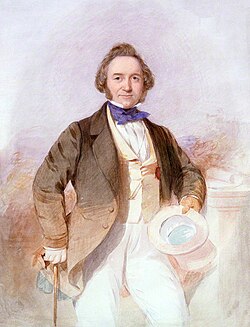
Every profession has a handful of remarkable individuals whose ideas reshape an industry for generations. For the world of conservatories, that person is Sir Joseph Paxton.
On August 3rd, we celebrate the birthday of a man whose vision helped pave the way, as more than two centuries after his birth, his influence continues to shape conservatories around the world, including the custom glass structures we are privileged to design at Tanglewood Conservatories. Born in 1803 to a farming family in Bedfordshire, England, Joseph Paxton’s career began not an as architect, but as a gardener. His extraordinary talent led him to become the Head Gardiner at Chatsworth House at just twenty-three years old. He transformed one of England’s greatest estates into a center of Horticultural innovation.
There, Paxton discovered a simple but powerful truth: architecture should serve nature.

To cultivate rare orchids, towering palms, tropical fruits, and exotic plants, he needed buildings capable of creating entirely new climates. Rather than forcing plants to fit existing structures, he designed structures around the needs of the plants themselves. The result was the Great Conservatory at Chatsworth, completed in 1841. With its soaring glass roof and elegant iron framework, it became one of the most ambitious conservatories of its time and demonstrated that architecture could be both technologically innovative and remarkably beautiful.
Paxton’s greatest public achievement came in 1851 with the Crystal Palace, designed for London’s Great Exhibition. Inspired in part by the remarkable structure of the giant Amazon water lily, he created a revolutionary modular glass building unlike anything the world had seen.
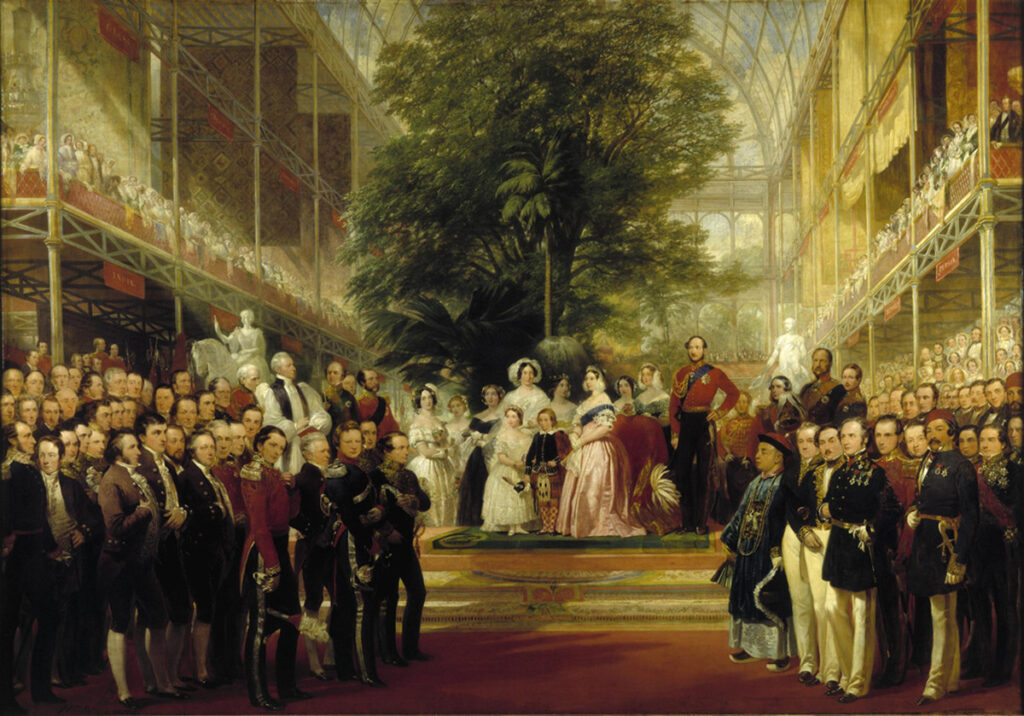
Constructed in record time, the Crystal Palace earned Paxton a knighthood from Queen Victoria and forever established the connection between horticulture, engineering, and modern architecture.
Inspiring the Next Generation
The Great Conservatory became the foundation for a new generation of glass architecture. Paxton’s pioneering use of abundant daylight, lightweight structural systems, and modular construction helped inspire many of Britain’s most celebrated conservatories, including the Palm House at the Royal Botanic Gardens, Kew.
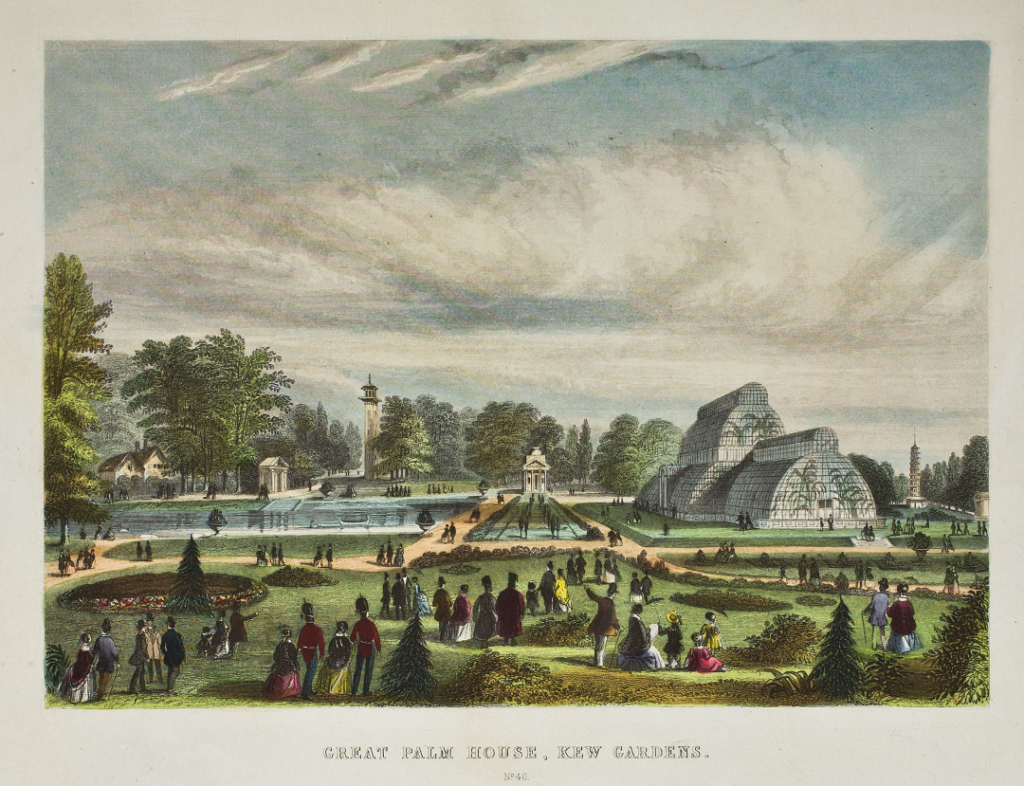
More importantly, he demonstrated that conservatories were more than buildings. They were living environments where light, nature, engineering, and architecture worked together in harmony. That philosophy continues to define exceptional conservatory design today.
A Legacy We Are Grateful For
At Tanglewood Conservatories, Joseph Paxton’s work serves as more than a chapter in architectural history. It remains a daily source of inspiration.
While our conservatories reflect the lifestyles and architecture of today’s homeowners, we continue to embrace the principles Paxton championed: thoughtful proportions, purposeful engineering, abundant natural light, and spaces designed around the people and plants that bring them to life. As we celebrate Sir Joseph Paxton’s birthday, we honor not only one of history’s greatest innovators, but the gardener whose vision forever changed what a conservatory could be.
His legacy lives on in historic conservatories across the world and in every thoughtfully designed glasshouse that continues to bring people closer to nature.
Happy Birthday.