
Conservatories have long played an important role in architecture, often evolving in response to changing needs in our lives and society.
The conservatories we admire today were shaped by centuries of changing human needs, experimentation, failure, and success. Long before modern climate control systems, architects and horticulturists were solving many of the same challenges we consider today: how to manage light, create the right environment, and build structures that could stand the test of time.
The earliest predecessors of the modern conservatory grew from necessity: the need to protect food crops, medicinal plants, and valuable specimens through colder seasons. As exploration expanded the known botanical world, another challenge emerged: how could plants brought from distant climates be cultivated, studied, and displayed far from their native environments?

By the nineteenth century, the role of the conservatory had evolved again. Industrialization was transforming cities and daily life, while advances in glass and iron allowed architects to create increasingly ambitious structures filled with light and plant life. Conservatories became not only places for cultivation and study, but environments where people could retreat from the industrial city and reconnect with nature.
With that ambition came a new set of architectural problems.
Some of history’s most celebrated conservatories show us that the obstacles architects faced were often what pushed design forward. Their solutions offer lessons that remain relevant to conservatory architecture today.
Lessons from Historic Conservatory Design
When Glass Pushed the Limits
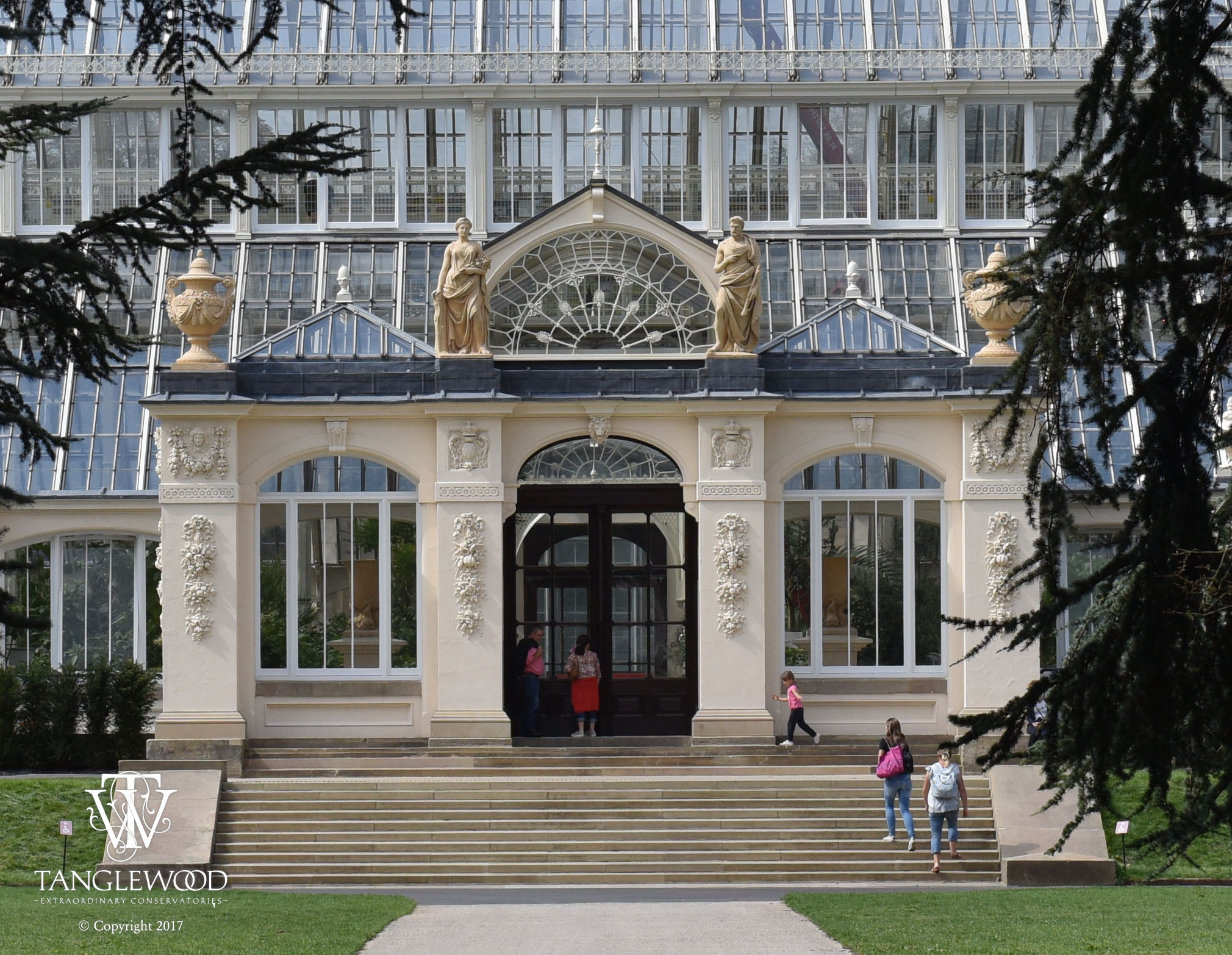
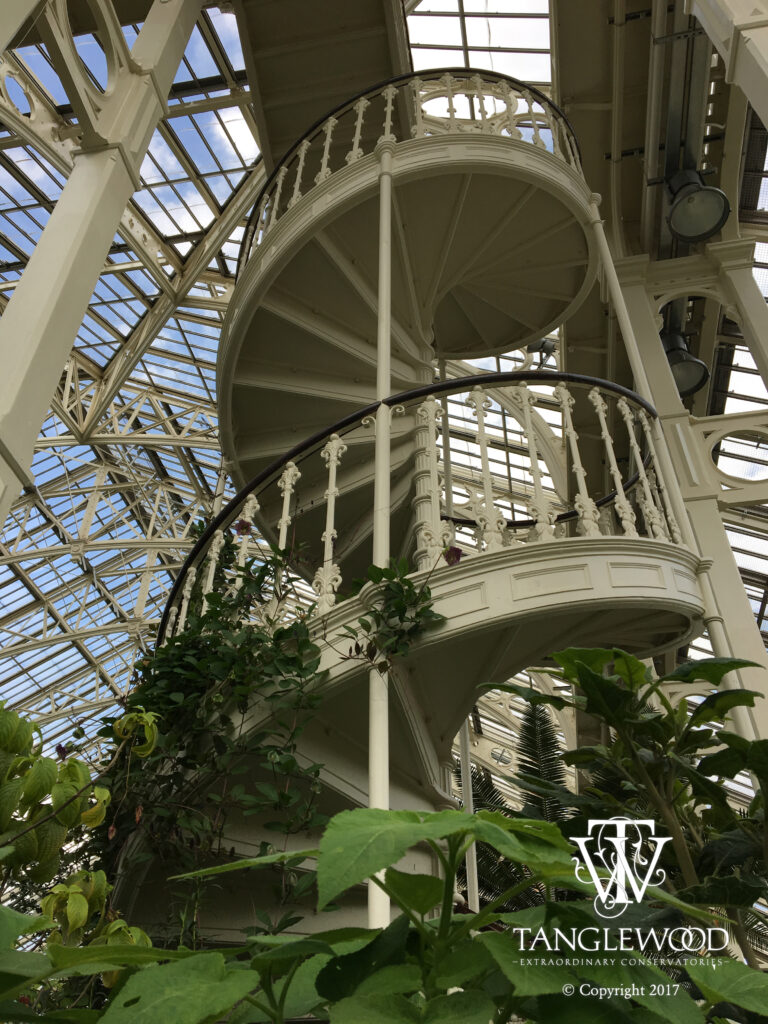
When Decimus Burton and Richard Turner designed and constructed the Palm House at Kew Gardens between 1844 and 1848, they were attempting something that had never been done on that scale. To achieve the sweeping structure, they borrowed techniques from the shipbuilding industry, helping create the Palm House’s distinctive ship-like form.
The challenge led to innovation, when conventional building methods weren’t enough, the architects looked beyond traditional architecture for a solution.

When More Light Wasn’t Always Better
Kew also offers a lesson in how much we have learned about light. The Palm House originally used green-tinted glass to protect plants from intense sunlight. By the 1890s, however, London’s pollution meant that too little light was reaching the plants, so the glass was replaced with clear panes.
The lesson is simple: successful conservatory design isn’t about adding as much glass as possible. It’s about understanding how light behaves within the space.
When the Environment Became the Challenge
At Chatsworth, Joseph Paxton’s Great Conservatory presented a different problem; how to create a tropical environment in the English climate. The enormous structure relied on eight coal fired boilers and seven miles of heating pipes. In winter, approximately 300 tons of coal were required to heat it. Eventually, fuel shortages during and after World War I caused many of its plants to die, and the building was demolished in 1920.
Its story demonstrates an important lesson that remains relevant today: a conservatory must be designed for long-term environmental performance, not simply for its initial impression.

When Nature Outgrew the Architecture
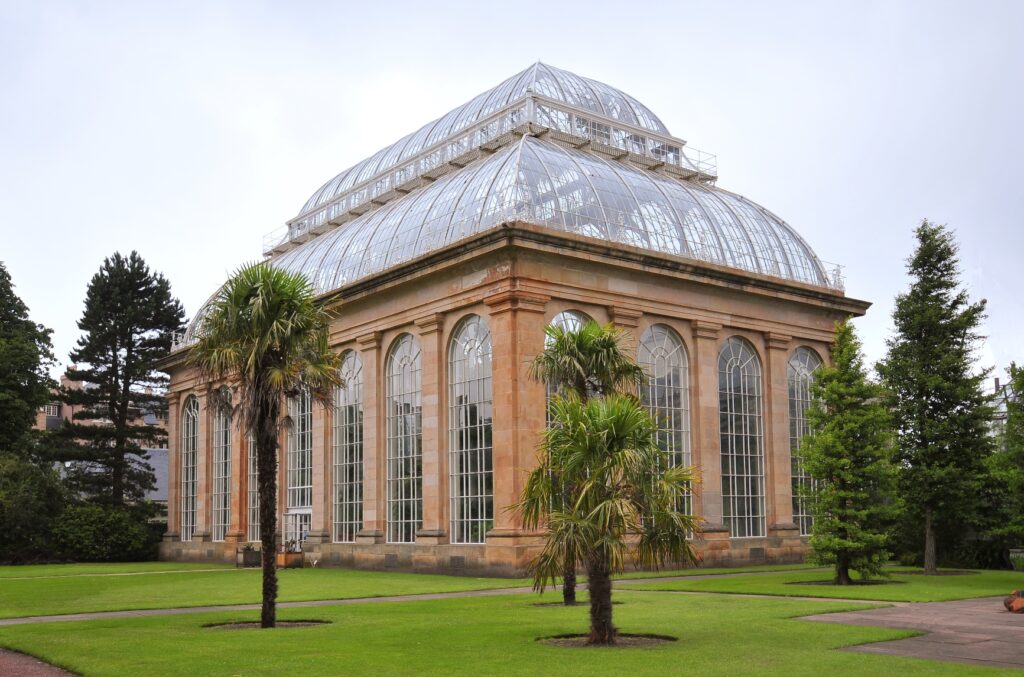
The Palm Houses at the Royal Botanic Garden Edinburgh offer another fascinating example. The original Palm House, built in 1834, was soon too small as its plants grew. By the 1850s, palms were sending their leaves through the roof, leading to the construction of a much larger Palm House designed by Robert Matheson and completed in 1858.
The lesson, a successful conservatory has to consider not only how a space will be used today, but how it will perform and evolve over time.
What History Teaches Modern Architects
Historical conservatories are more than beautiful examples of architecture. They are records of problems solved, ideas refined, and lessons carried forward.
A modern conservatory does not need to recreate the past. It can take the lessons learned from centuries of international conservatory architecture and reinterpret them for the way we live today. That means considering not only how a conservatory will look, but how it will function, how it will connect with the home and landscape, how light will move through the space, and how the structure will continue to perform over time.
If you have been considering a conservatory for your home, the first step is to think about how you want the space to function, how you want it to connect with your home and garden, and how you want to experience it throughout the seasons.
The architects of the past taught us what was possible. Today, we have the opportunity to refine those lessons and create something enduring for generations to come.
Photo Credits: Photo Credit: https://www.mikepeel.net (Palm House at Kew Gardens)