
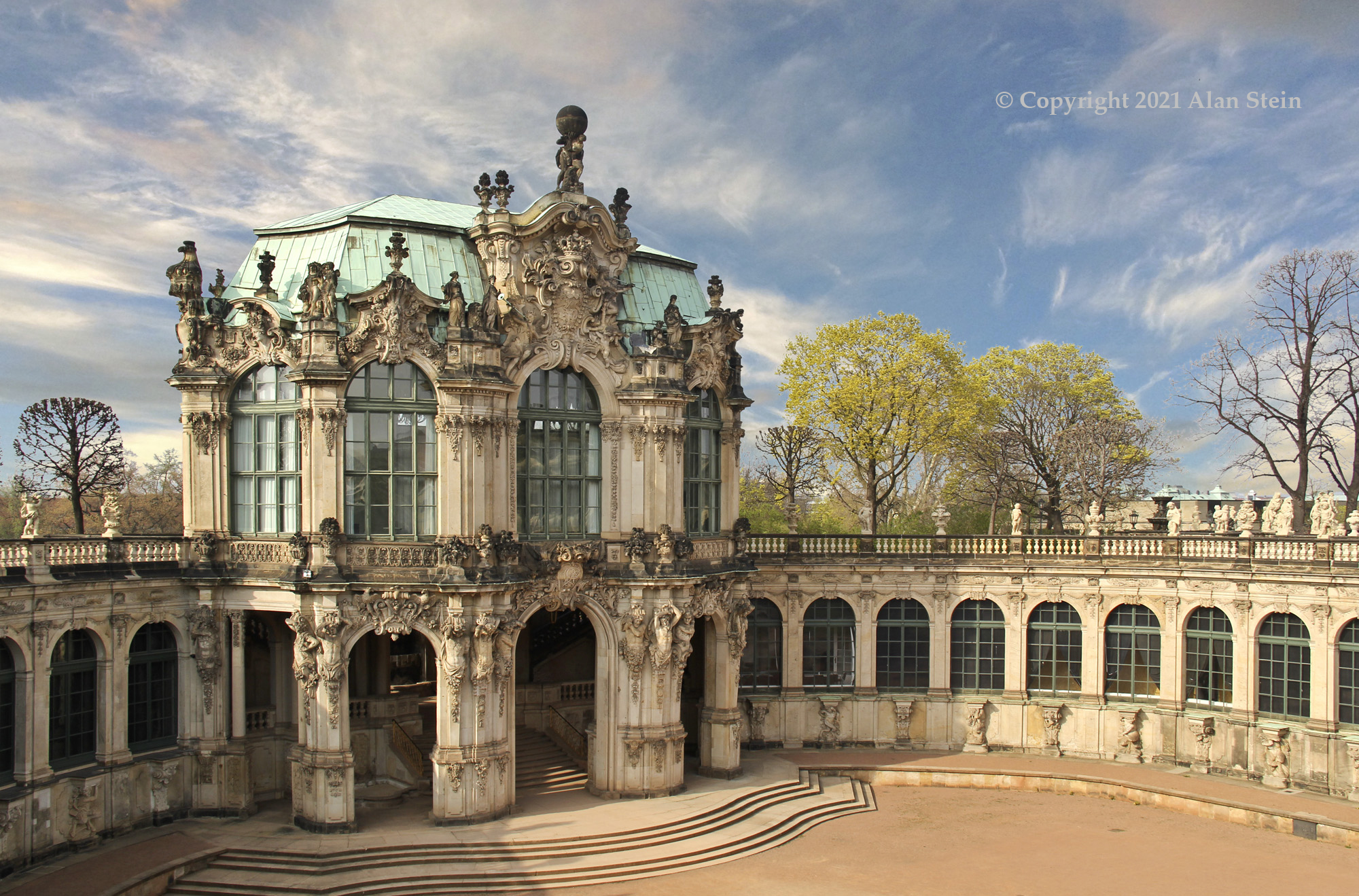
The Zwinger Palace Orangery is one of those places that reminds us how long people have explored life with light and nature. While photographing this orangery for our publication The Conservatory: Gardens Under Glass, it became clear that structures like these still influence how conservatories are designed today.
Built in the early 18th century in Dresden, the orangery was originally created to protect delicate citrus trees during colder months. But it quickly became more than just a shelter for plants. These spaces were carefully designed environments where architecture, light, and landscape worked together. Large windows welcomed daylight deep into the structure, while high ceilings supported airflow and comfort. Every detail, from proportion to ornamentation, contributed to both function and experience.
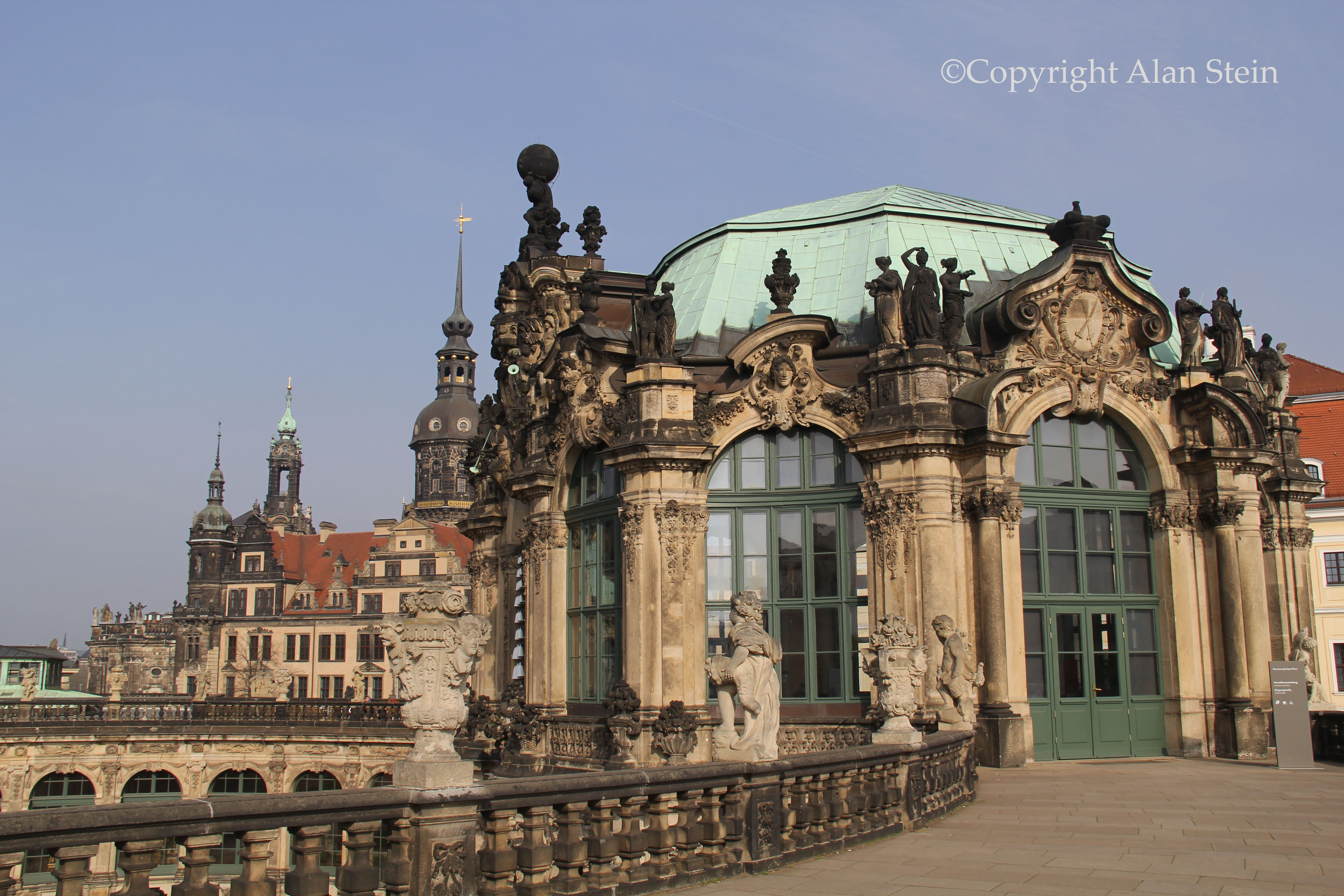
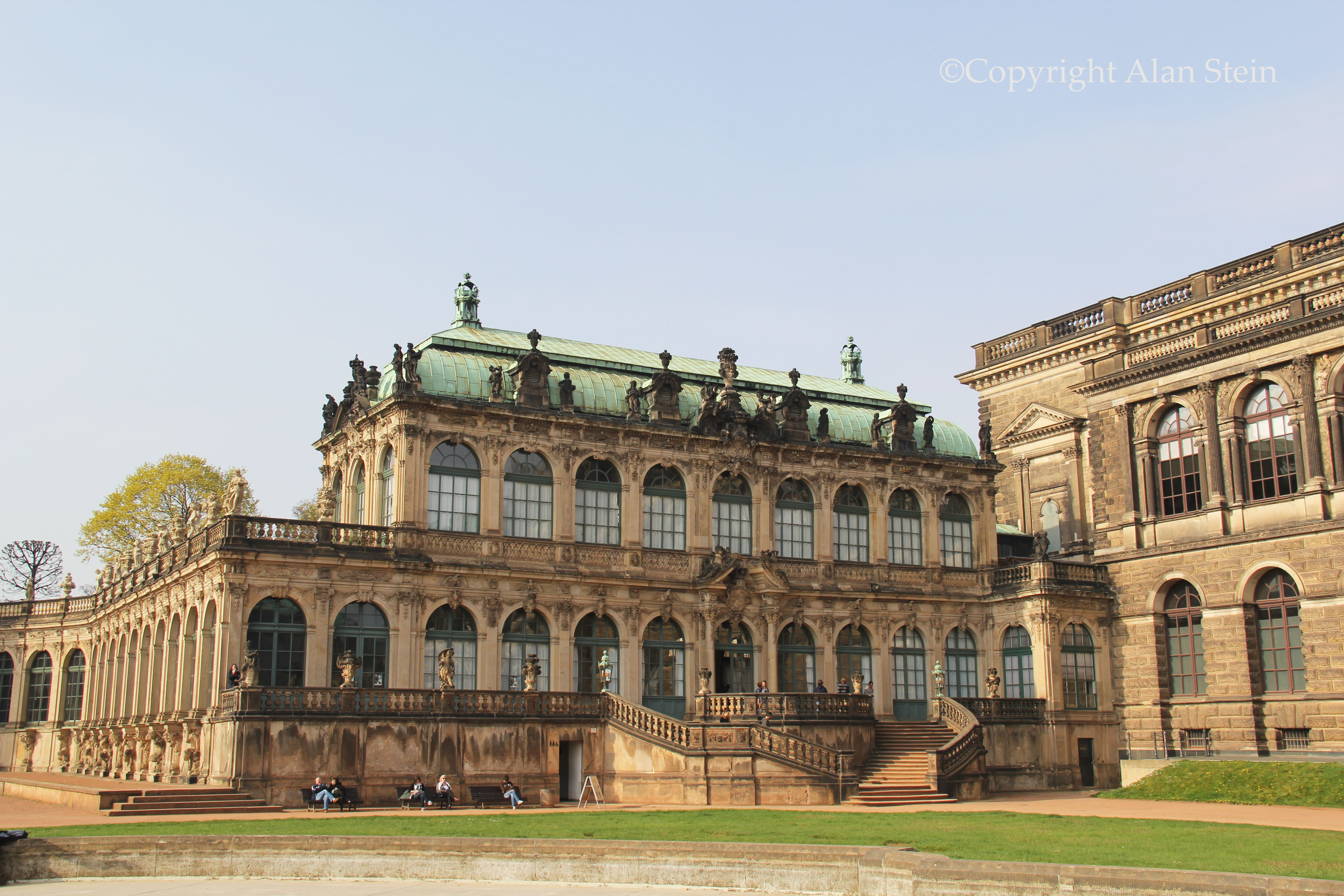
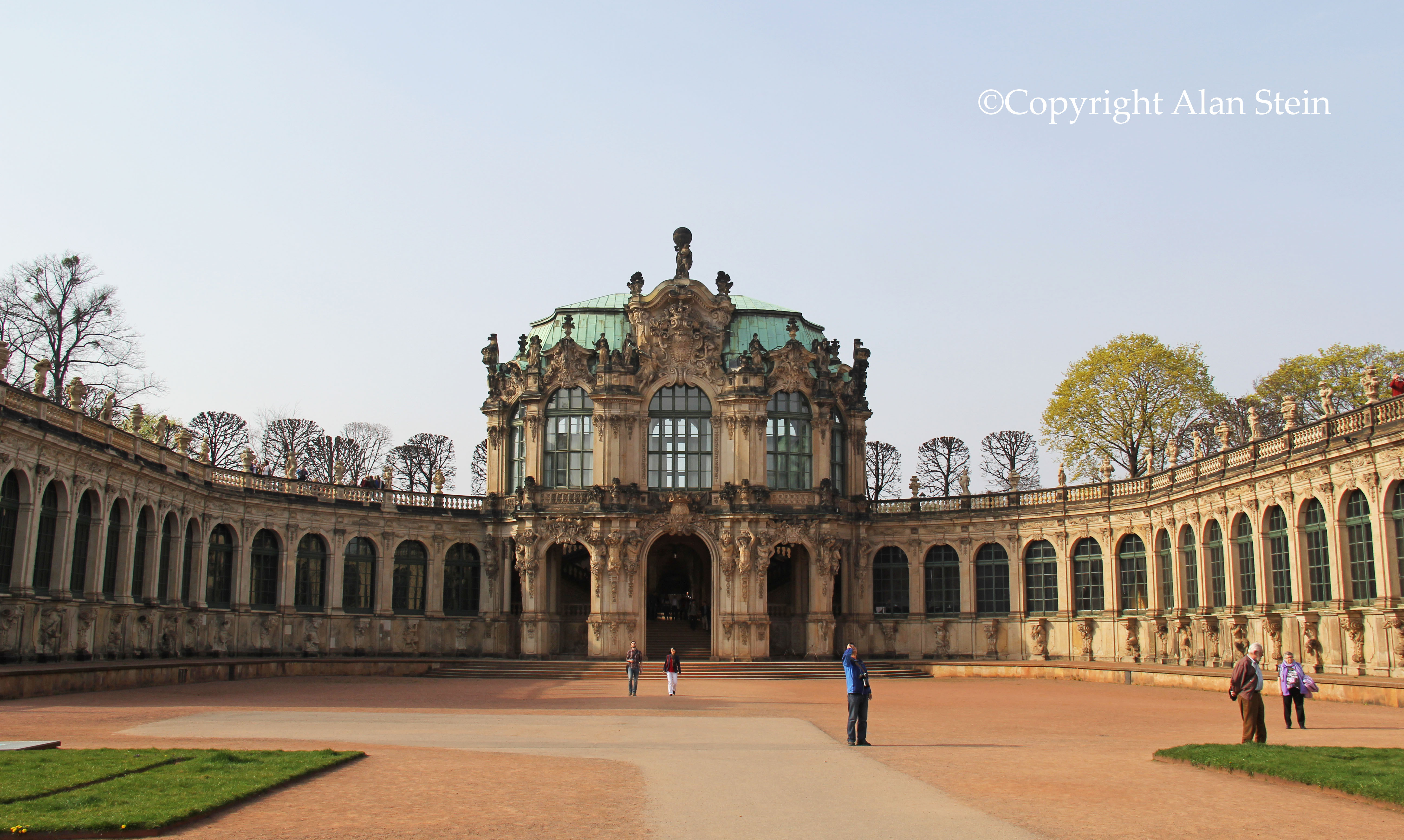
That balance between beauty and purpose is what continues to define conservatory design today. When exploring the idea of adding a conservatory or orangery to your home, start the conversation with why you want one. How will you use the space? How will this room transform the way you live and gather in your home?
For centuries, these spaces have been designed to connect daily life with the outdoors. The goal has never been simply to add glass and structure, but to create a room that changes the way we experience architecture and gatherings, while feeling calm, bright, and naturally connected to the surrounding garden.
This perspective feels especially relevant today. Modern homes often move quickly from one space to the next, but a conservatory encourages a slower pace. It becomes a place to read in natural light, tend to plants, gather with family, or simply enjoy the changing seasons from a comfortable setting.
At Tanglewood, these historic structures are more than inspiration. They serve as a foundation. The craftsmanship, proportion, and relationship to the landscape seen in places like the Zwinger Palace Orangery continue to guide how conservatories are designed and built. To view more historic conservatories, visit our heritage section to read A Look At What Guides Us and The Conservatory: Gardens Under Glass.
When architecture respects light, nature, and human experience, it does more than serve a function. It creates spaces people return to again and again, just as they have for centuries.
Start the conversation with our team to begin designing a space that changes how you live in your home.